


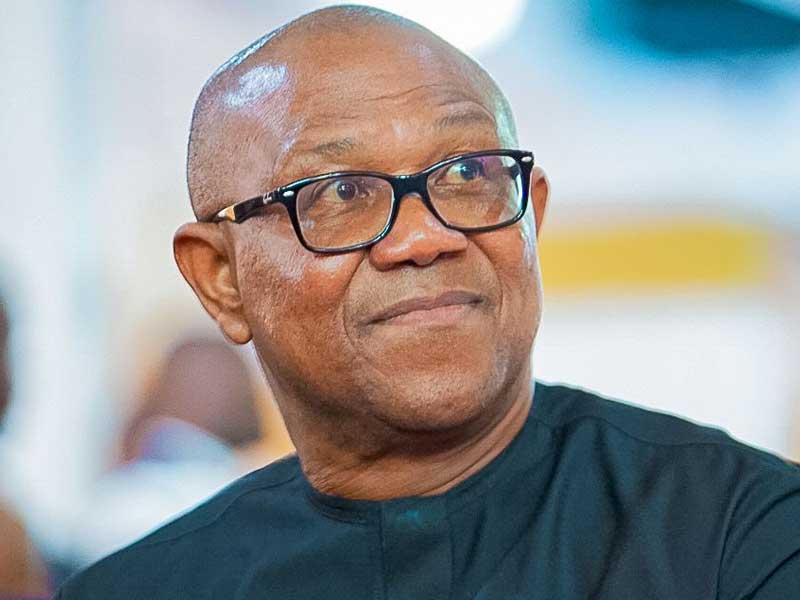
The presidential candidate of the Nigeria Democratic Congress (NDC), Peter Obi, has stirred widespread debate after declaring that Nigerians do not need to know how he intends to generate 10,000 megawatts (MW) of electricity if elected president. Instead, he said voters should simply believe in his ability to deliver and cast their votes based on his track record.
Speaking during an interview with broadcaster Rufai Oseni, Obi was questioned about one of the key promises of his presidential agenda—raising Nigeria’s electricity generation, transmission and distribution capacity to at least 10,000MW within four years.
When pressed to explain exactly how he would achieve the ambitious target, Obi declined to provide a detailed roadmap.
“No, no, no, I’m not going to tell you how. It is not for you to know how. It is for you to look at the man who is saying this.”
He argued that elections should be based on confidence in a candidate’s credibility and previous performance rather than on revealing every policy implementation strategy before assuming office.
Obi maintained that his record as the former governor of Anambra State demonstrates that he fulfills promises once entrusted with leadership responsibilities.
Obi Reaffirms Electricity Promise
Despite refusing to reveal the specifics of his strategy, Obi reaffirmed his commitment to improving Nigeria’s struggling electricity sector.
“I have said, and I repeat, that in four years we will generate, transmit and distribute at least 10,000 megawatts of electricity.”
As Rufai Oseni continued to ask for details, Obi stood by his position.
“They don’t need to know. They just have to believe me and vote for me.”
The exchange has since gone viral on social media, generating intense political discussions among supporters, critics and policy analysts.
Criticism of Nigeria’s Power Sector
Obi criticized successive administrations for failing to significantly improve Nigeria’s electricity infrastructure. According to him, the country has made little progress in expanding government-owned power generation capacity in recent years.
He argued that reliable electricity remains one of Nigeria’s biggest economic challenges, affecting businesses, manufacturers, hospitals, schools and millions of households that rely heavily on generators.
According to Obi, increasing electricity generation is achievable with the right policies, investment and leadership.
He also pointed to countries such as Indonesia, India and Egypt, saying they have dramatically expanded their electricity generation over the past decade while Nigeria continues to struggle with inadequate supply.
Describing the task as “not rocket science,” Obi said he has studied successful international models and understands what is required to transform Nigeria’s power sector.
“My commitment is that I will deliver it. I have my name on it.”
Mixed Reactions Trail the Interview
Obi’s comments have generated mixed reactions across the political landscape.
Supporters argue that his record in public office should give Nigerians confidence in his ability to fulfill campaign promises. They believe effective leaders are judged by results rather than by publicly disclosing every implementation detail before taking office.
Critics, however, insist that presidential candidates should present clear and measurable policy plans, particularly on critical issues such as electricity, where Nigerians have experienced decades of unfulfilled promises.
Political observers note that while increasing electricity generation is important, meaningful reform would also require major investments in transmission infrastructure, distribution networks, regulatory reforms and private-sector participation.
Electricity Remains a Defining Campaign Issue
Power supply continues to rank among the most important issues facing Nigeria. Unreliable electricity has slowed industrial growth, discouraged investment and increased operating costs for businesses forced to rely on diesel and petrol generators.
As campaigns gather momentum ahead of the next general election, voters are expected to closely examine candidates’ proposals for addressing Nigeria’s energy crisis.
Peter Obi’s latest remarks have added another dimension to the debate, raising questions about transparency, public trust and how much detail presidential candidates should provide before seeking the nation’s highest office.
Whether Nigerians accept Obi’s appeal to trust his record or demand more detailed policy explanations is likely to remain a major talking point in the country’s political discourse


