


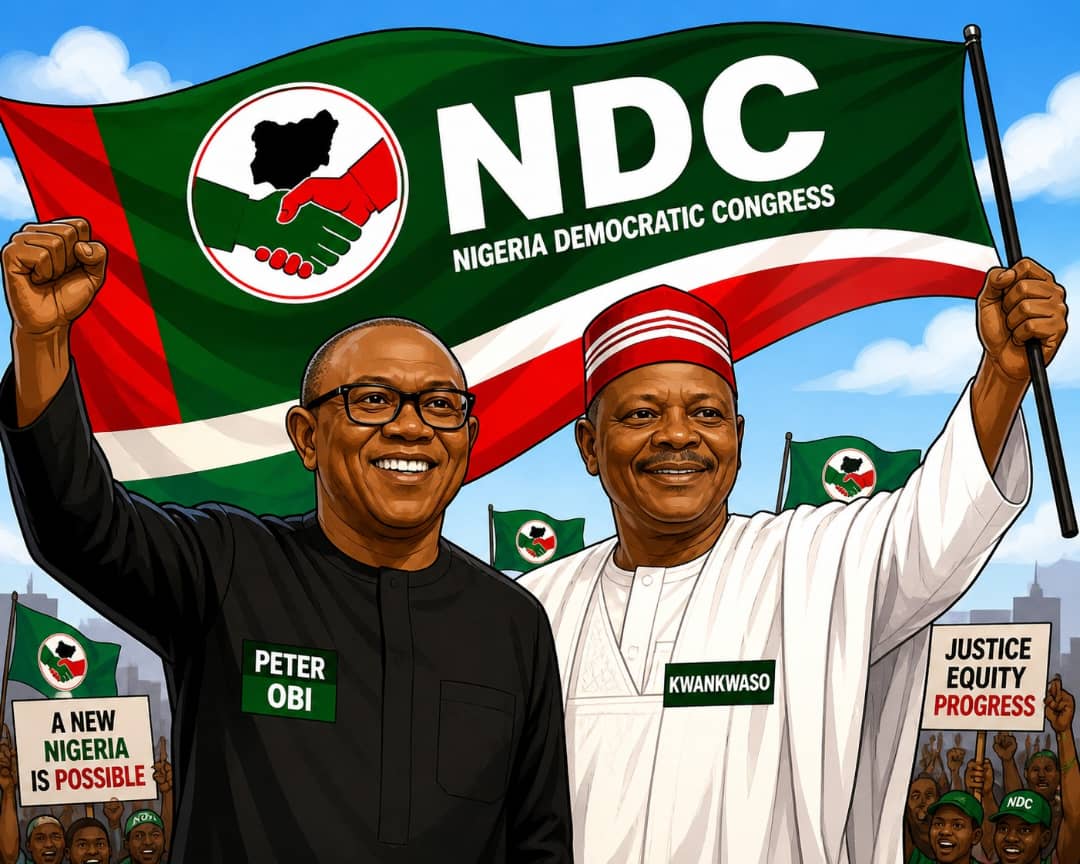
Former presidential candidate, Peter Obi, popularly known as “the people’s man,” has reportedly announced his departure from the African Democratic Congress (ADC), signaling a major shift in Nigeria’s political landscape ahead of the 2027
Obi Announces Exit from ADC
In a deeply emotional and reflective statement released after a church service, Obi explained the reasons behind his decision to leave the ADC. Contrary to speculations, he made it clear that his exit was not due to personal conflicts with party leaders, including David Mark, the party chairman, or Atiku Abubakar, whom he described as a respected elder.
Instead, Obi pointed to systemic challenges, internal crises, and increasing political tension within the party as key factors influencing his decision.
“The same Nigerian state and its agents that created unnecessary crises in the Labour Party now appear to be finding their way into the ADC,” Obi stated.
Alleged Move to NDC with Kwankwaso
Reports indicate that Obi may be aligning with a new political platform, the Nigeria Democratic Congress (NDC), alongside former Kano State governor, Rabiu Musa Kwankwaso. While official confirmation of the party’s structure and leadership is still emerging, political observers say this development could reshape opposition dynamics in Nigeria.
“A Toxic Political Environment” – Obi Speaks Out
In his statement, Obi described Nigeria’s political climate as increasingly hostile and discouraging for leaders committed to service and integrity.
He lamented what he called a system driven by intimidation, division, and misplaced values:
“We now live in an environment that has become increasingly toxic… where humility is mistaken for weakness and compassion is treated as foolishness.”
Obi also expressed disappointment over perceived betrayal from some allies, noting that individuals who publicly support him sometimes distance themselves privately or join in criticism.
Commitment to Service, Not Power
Despite his exit, Obi emphasized that his ambition is not driven by a desire for political office but by a vision for a better Nigeria.
“I am not desperate to be President or Vice President. I am desperate to see a Nigeria where citizens are safe, where children can go to school without fear, and where no one goes to bed hungry.”
He reaffirmed his belief in good governance rooted in justice, compassion, and accountability, stressing that leadership should focus on service rather than control.
Political Implications Ahead of 2027
Obi’s reported move to the NDC, alongside Kwankwaso, could signal the formation of a new political force capable of challenging established parties. Analysts suggest that such an alliance may attract a large base of young voters and reform-minded Nigerians.
However, questions remain about the official status of the NDC, its structure, and whether it can sustain momentum amid Nigeria’s complex political terrain.
Final Message: “A New Nigeria Is Possible”
Ending his statement on a hopeful note, Obi reiterated his long-standing message:
“A new Nigeria is possible.”
As the political landscape continues to evolve, Nigerians will be watching closely to see how this development shapes the road to the next general election.


