


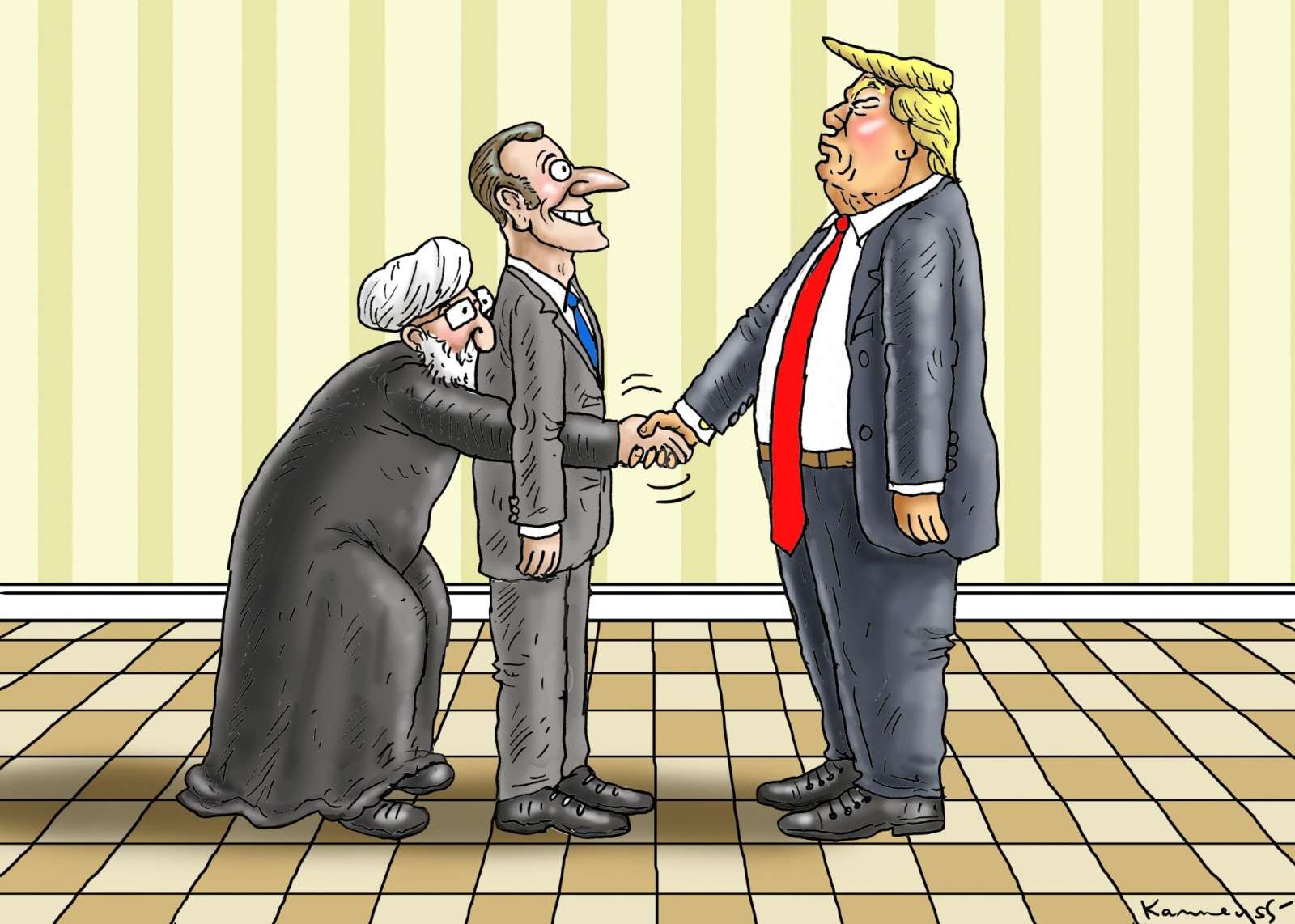
U.S. President Donald Trump has announced a temporary shift in U.S. military plans, offering a two-week ceasefire window if Iran agrees to reopen the critical Strait of Hormuz.
The move comes amid rising tensions in the Middle East, with Trump warning that failure to comply could lead to devastating military consequences.
Ceasefire Offer Tied to Strait of Hormuz
In a statement shared on Truth Social, Trump revealed that the United States has suspended planned bombing operations on Iran, pending cooperation.
“This will be a double-sided CEASEFIRE!” Trump wrote, emphasizing that the pause is conditional.
According to him, Iran must ensure the “complete, immediate, and safe opening” of the Strait of Hormuz — a vital global oil route.
Trump added that the U.S. has already achieved its major military objectives and is now close to securing a long-term peace agreement in the Middle East.
Pakistan’s Role in De-escalation
The breakthrough follows a high-level meeting involving Shehbaz Sharif and senior military officials, who reportedly helped mediate between both sides.
Trump publicly acknowledged Pakistan’s efforts, stating that diplomatic engagement helped ease tensions and delay military action.
Iran Responds to Ceasefire Proposal
Iran’s Supreme National Security Council responded positively, signaling willingness to cooperate — but with conditions.
Tehran stated it would halt defensive operations if attacks against the country are stopped. It also confirmed that:
Safe passage through the Strait of Hormuz will be allowed Movement will be coordinated with Iran’s Armed Forces Technical limitations will be considered
A Deal in Progress?
Trump disclosed that the U.S. has received a 10-point proposal from Iran, describing it as a “workable basis” for negotiations.
“Almost all points of past contention have been agreed,” Trump said, adding that the two-week window is to finalize the agreement.
He expressed optimism that the long-standing conflict could soon reach a resolution, calling it an “honor” to help bring peace to the region.
Israel Also Agrees to Ceasefire
In a further sign of de-escalation, Israel has also reportedly agreed to the ceasefire arrangement, strengthening hopes for broader regional stability.
What Happens Next?
The next two weeks will be critical. If Iran follows through with reopening the Strait of Hormuz, it could mark a major step toward:
- Stabilizing global oil supply
- Reducing military tensions
- Advancing long-term peace talks
However, failure to comply could trigger what Trump described as a massive military campaign, warning that Iran could face damage that would take “100 years or more to rebuild.”
This development signals a rare moment of diplomacy amid escalating tensions. While the ceasefire offers hope, the situation remains fragile and heavily dependent on Iran’s next move.
What do you think about this two-week ceasefire deal? Will it lead to lasting peace or more conflict? Drop your thoughts in the comments below.


