


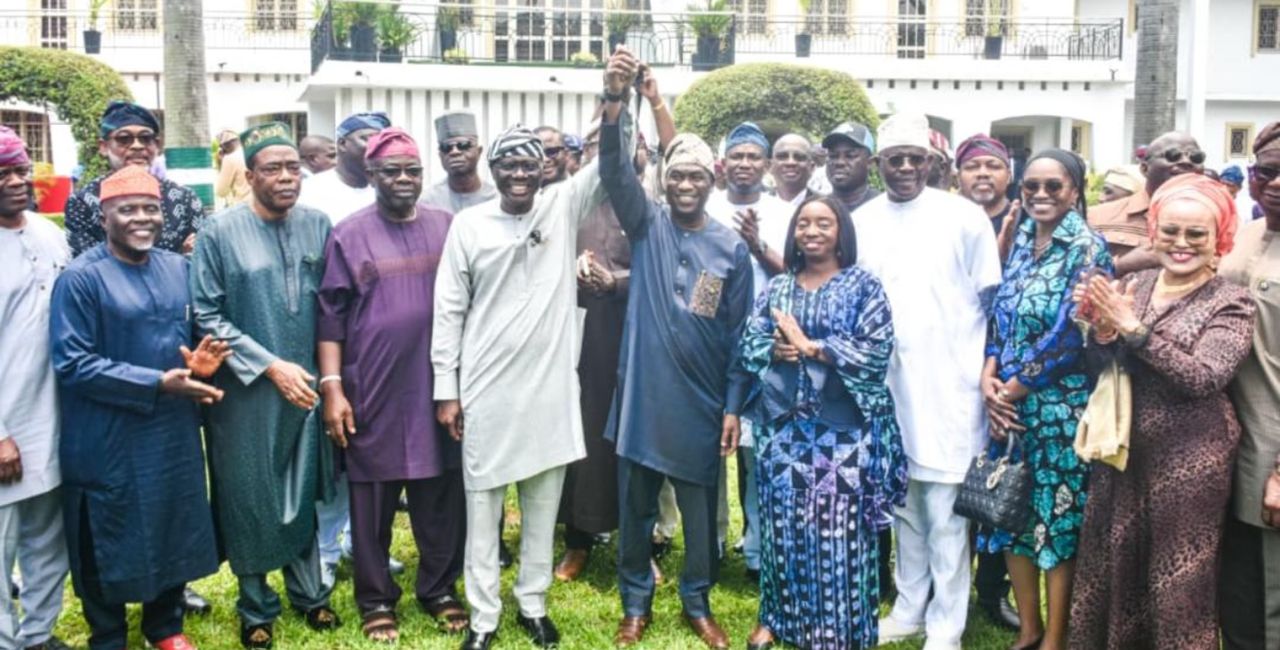
As preparations for the 2027 general elections begin to take shape, Babajide Sanwo-Olu has reportedly given his backing to his deputy, Obafemi Hamzat, as a potential successor.
The endorsement, which emerged following a closed-door meeting on Monday, has sparked fresh conversations about the role of political influence and succession planning in Nigeria’s democratic system.
Growing Debate in Nigerian Politics
Political endorsements are not new in Nigeria, but they often come with controversy. Critics argue that such moves promote godfatherism, where powerful politicians influence who emerges as candidates, potentially undermining internal party democracy.
Supporters, however, see endorsements as a strategic move to ensure continuity in governance and preserve policy direction. In this case, Governor Sanwo-Olu’s reported support for Hamzat is being interpreted by some as a sign of confidence in his deputy’s leadership abilities.
Questions Around Democratic Process
The development raises an important question:
Should politicians handpick successors, or should the people and party structures decide through open primaries?
Many political observers believe that party primaries should remain the ultimate deciding platform, allowing all aspirants to compete fairly. This ensures that the candidate who emerges has both party backing and public support.
There are also calls for Obafemi Hamzat to present a clear manifesto outlining his vision for Lagos State, rather than relying solely on endorsements. Analysts argue that this would give party members and voters the opportunity to assess his competence and plans ahead of the 2027 elections.
Godfatherism Concerns Resurface
The situation has reignited concerns about the influence of political “godfathers” in Nigeria. Critics warn that allowing a few stakeholders to determine candidates could weaken democratic institutions and limit voter choice.
On the other hand, some party insiders maintain that endorsements do not automatically guarantee victory, as aspirants must still go through party primaries and electoral processes.
Looking Ahead to 2027
With the 2027 elections still some time away, political alignments and strategies are already becoming visible. Whether this endorsement will translate into actual political success remains uncertain, as party dynamics and voter sentiment will play a crucial role.
For now, the focus remains on how political parties will manage their internal processes and whether transparency and fairness will be upheld.
What do you think?
Should political leaders openly endorse successors, or should the process be left entirely to party members and voters? Share your thoughts in the comments.


